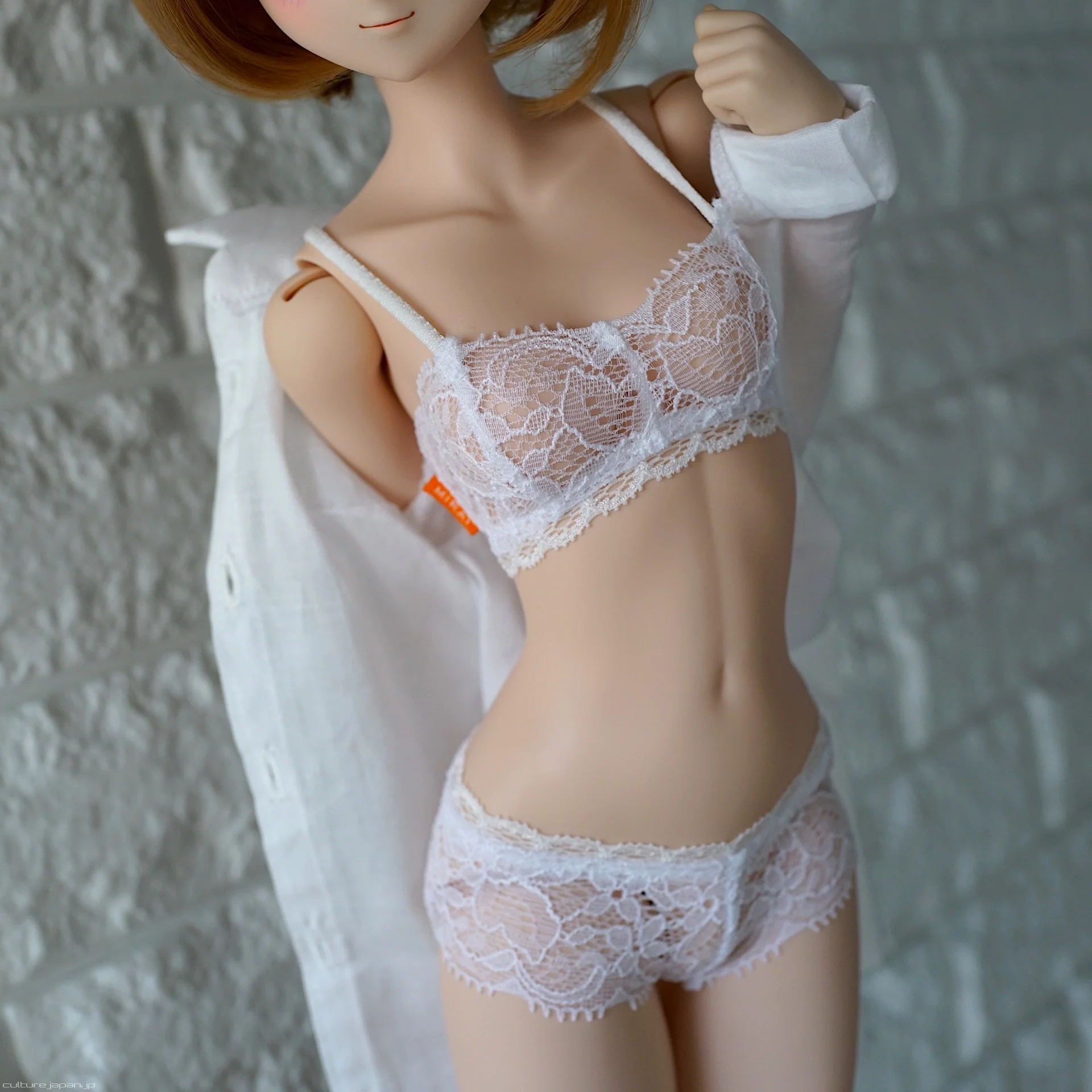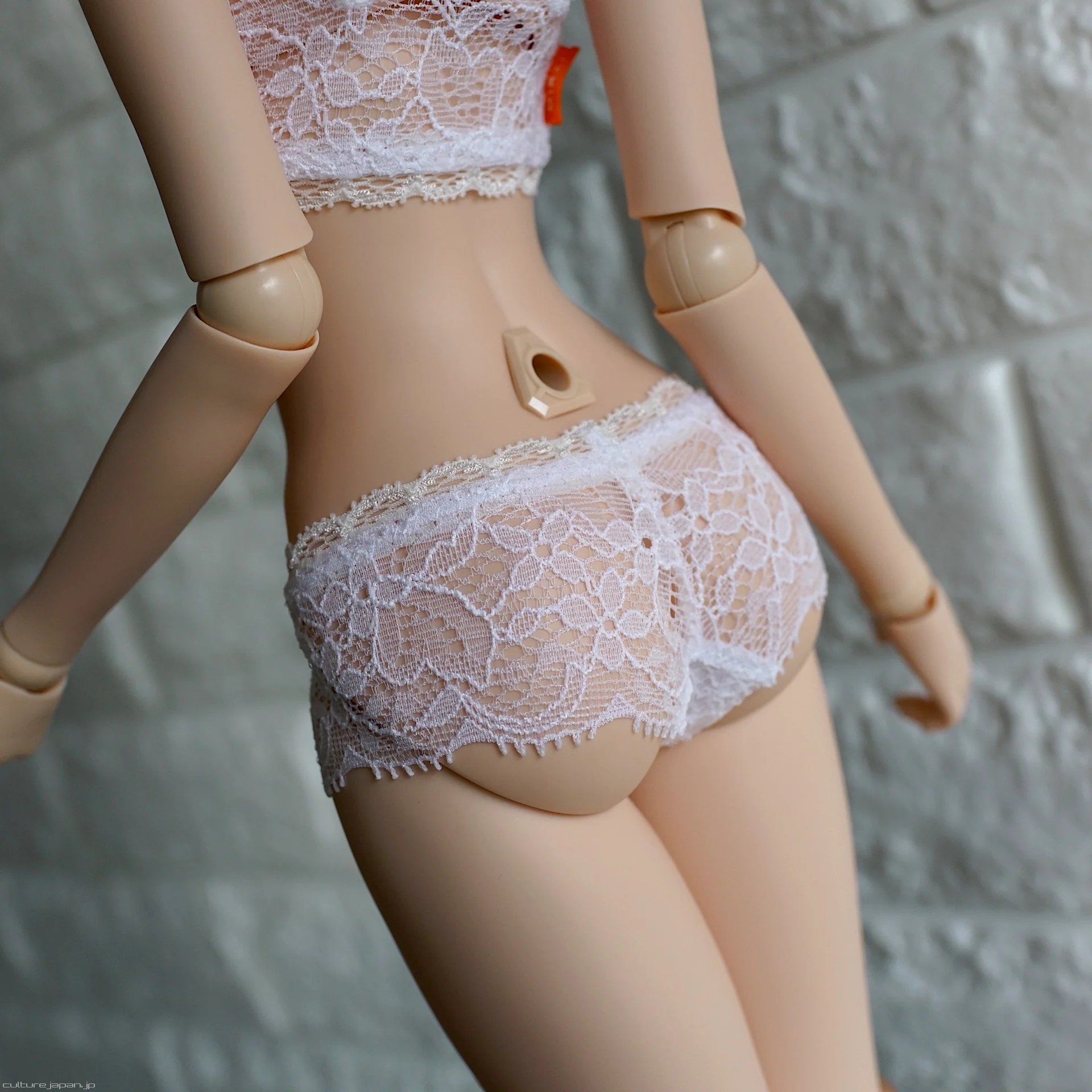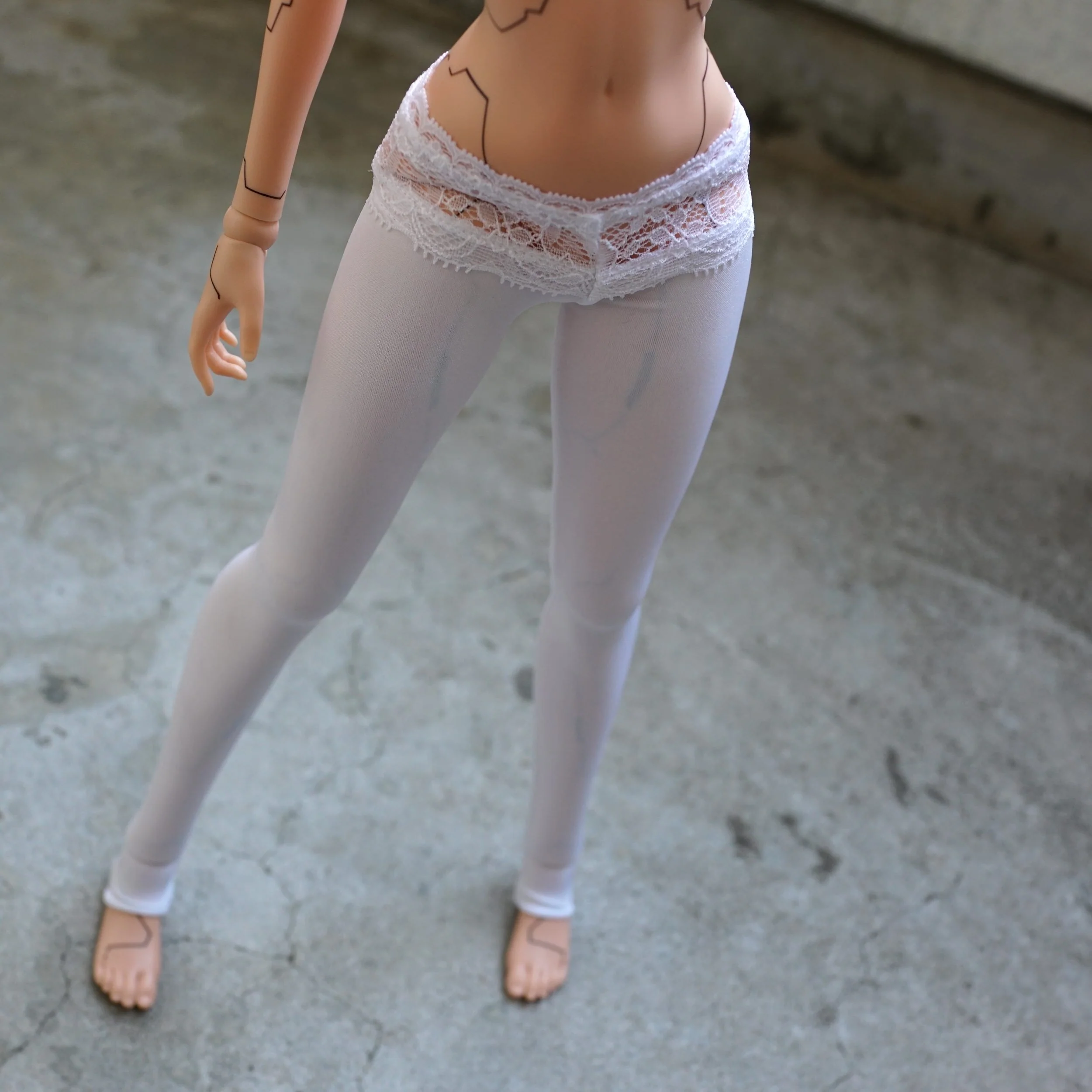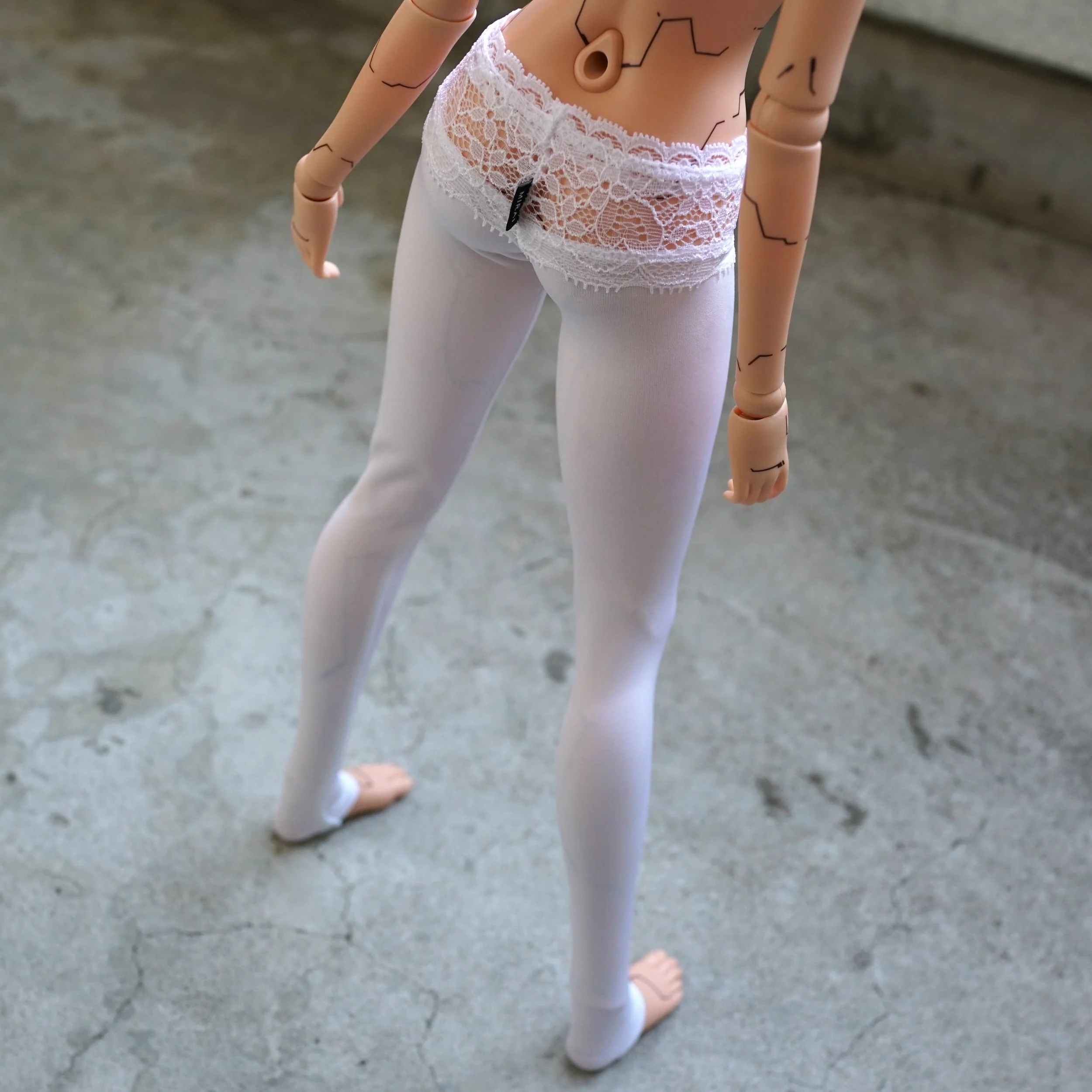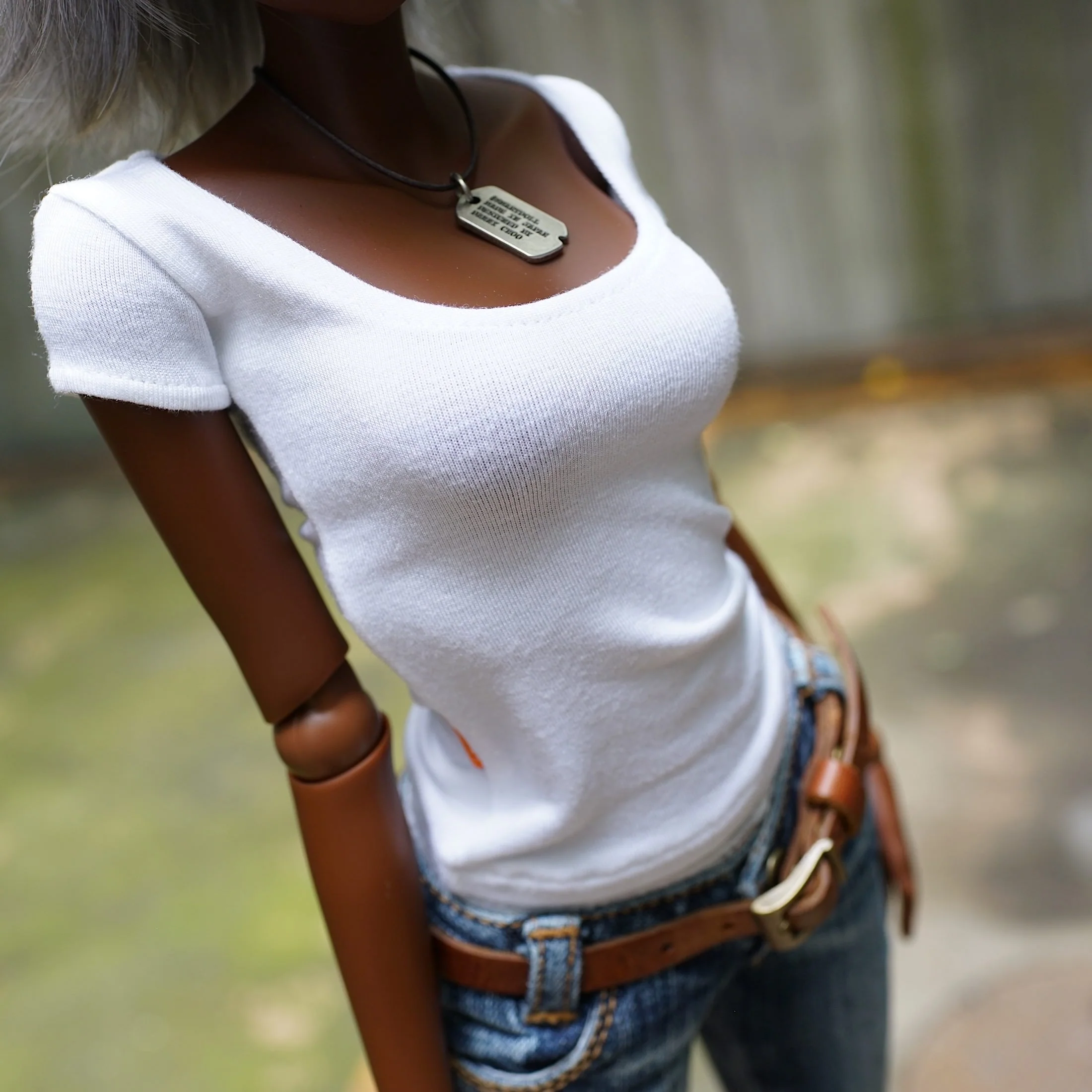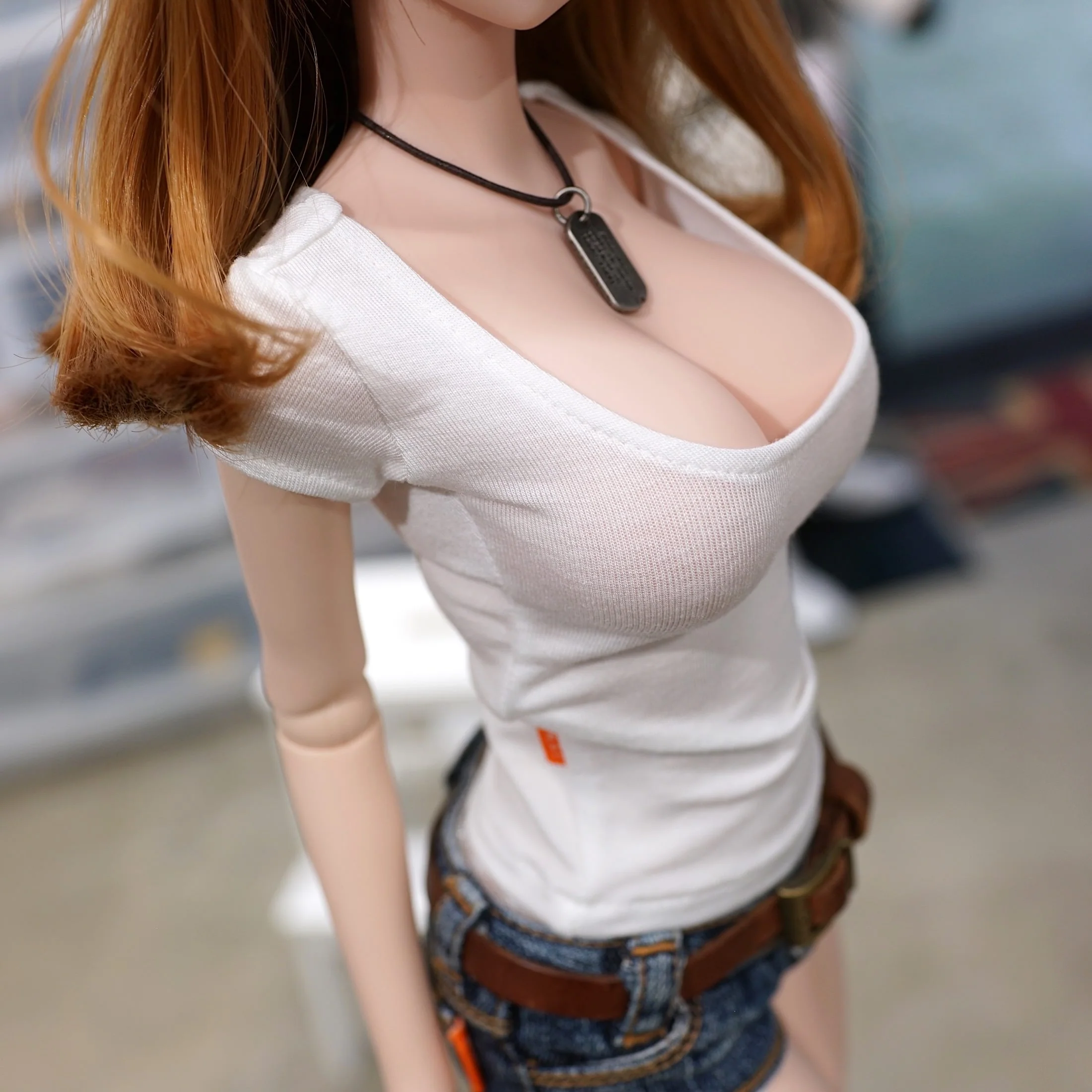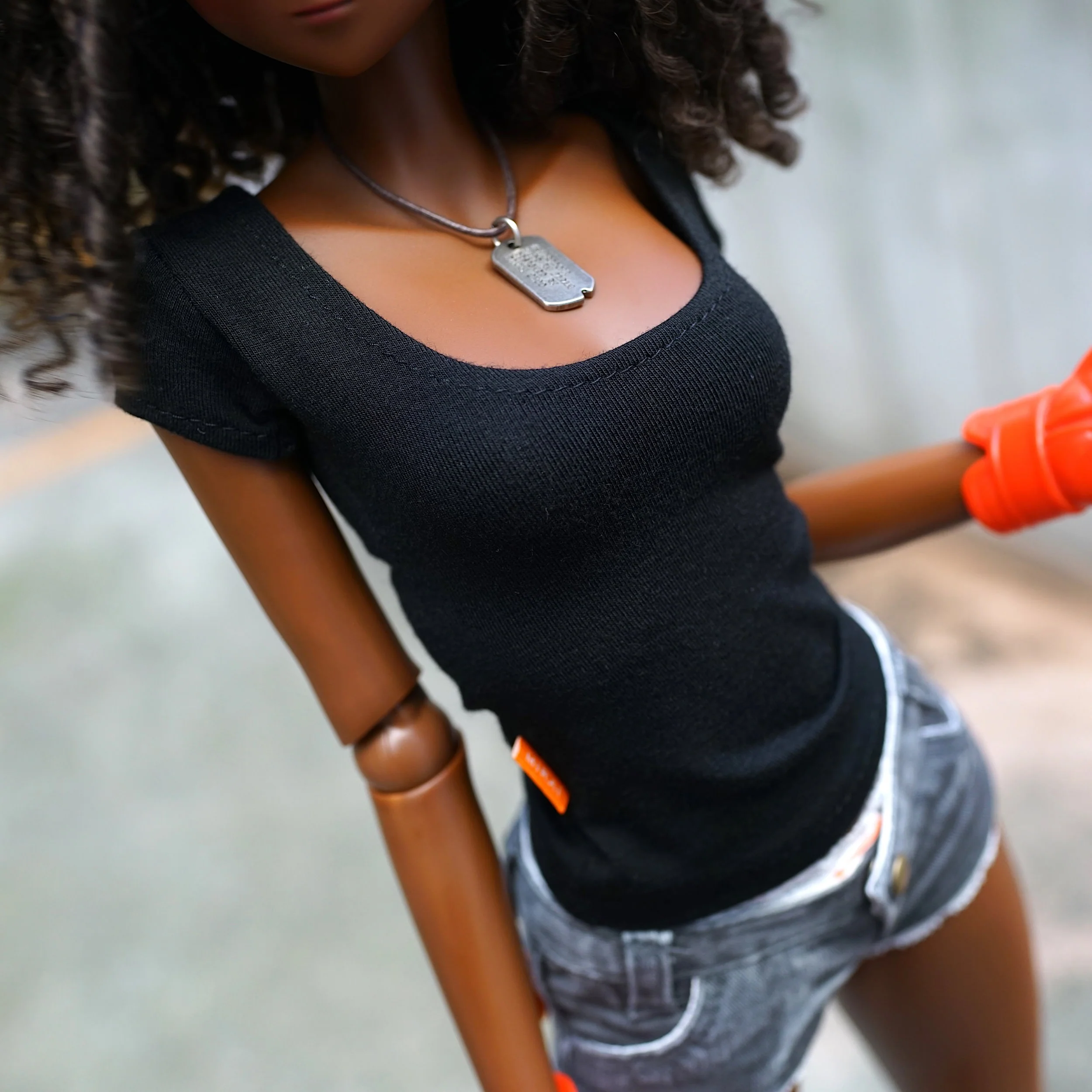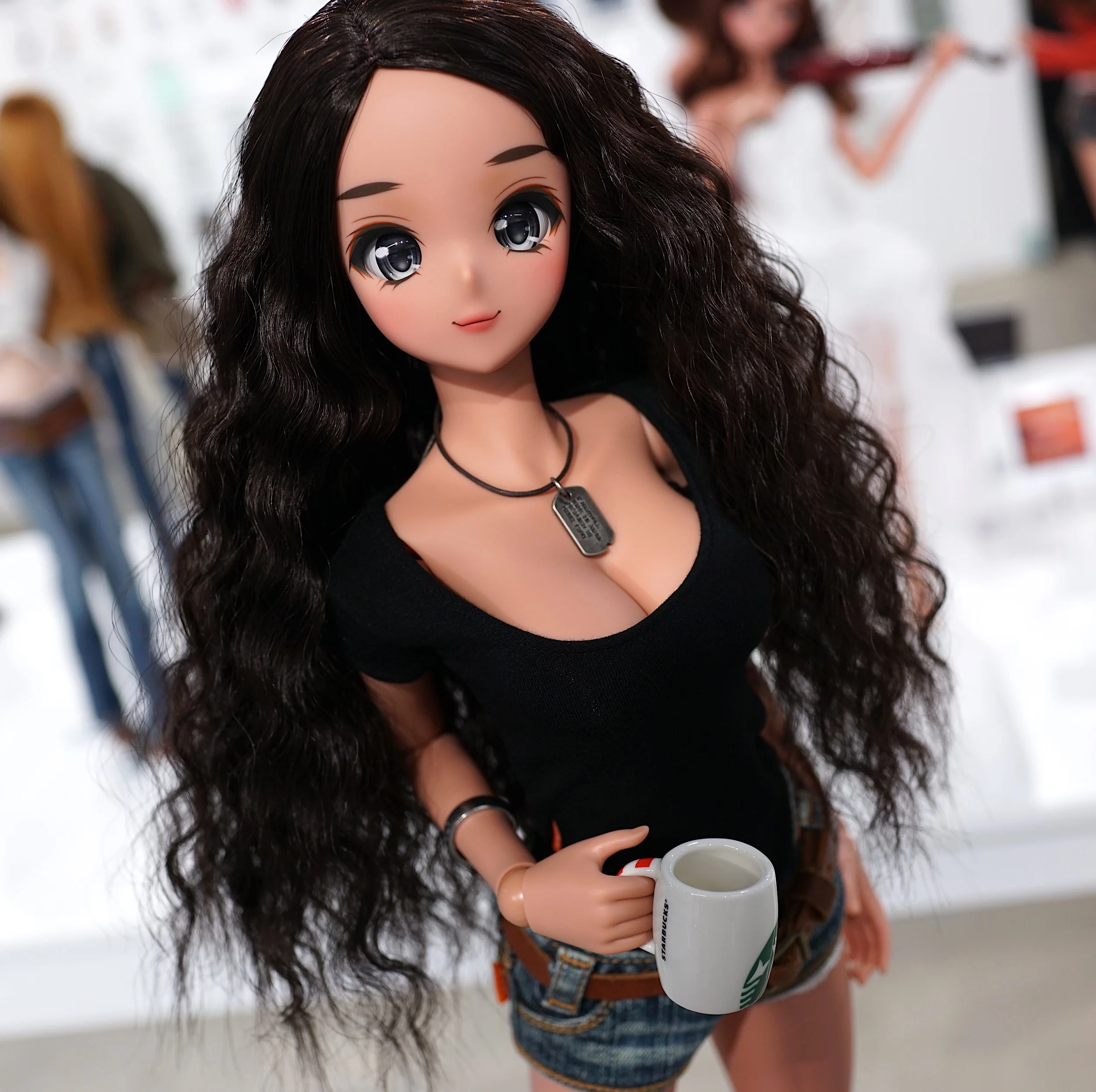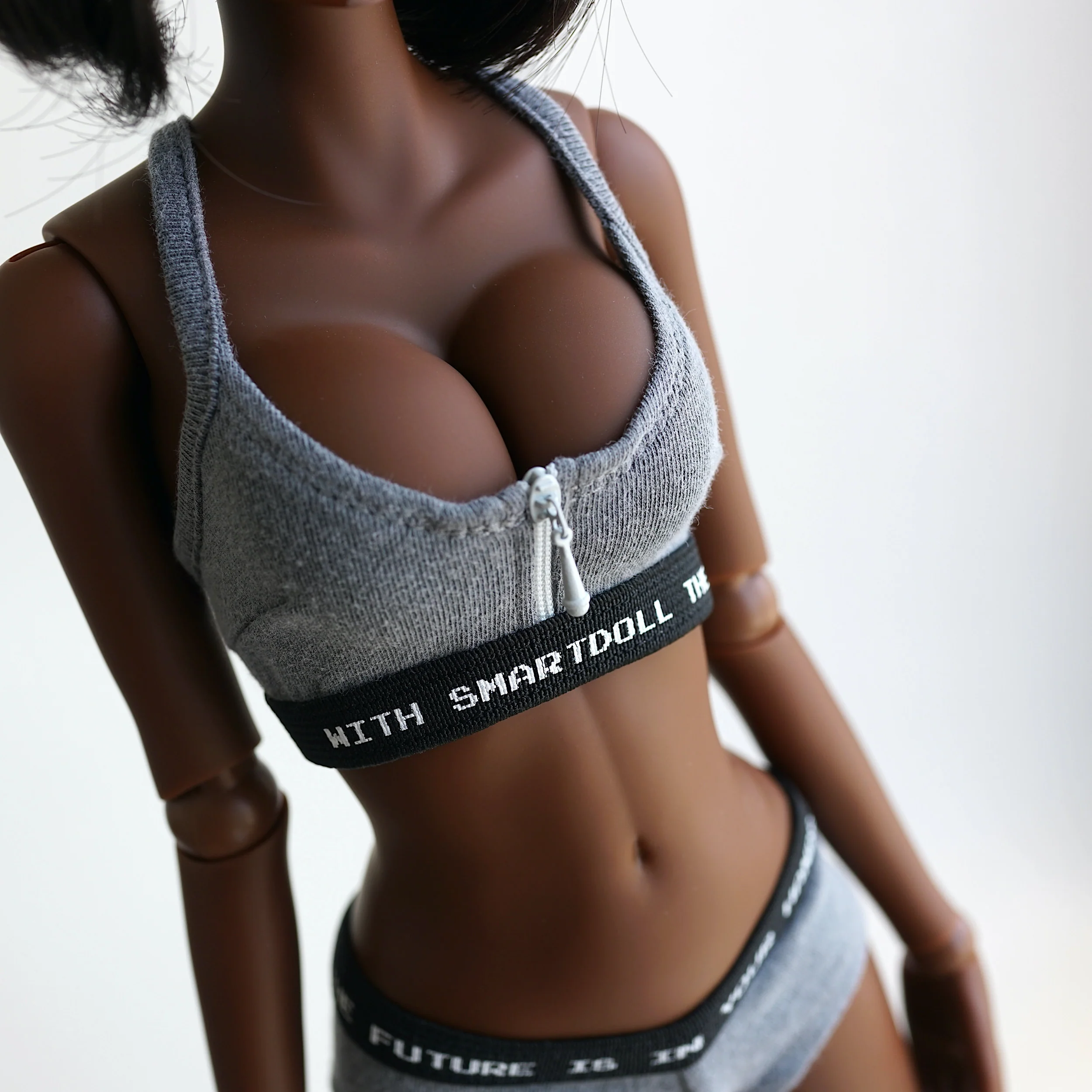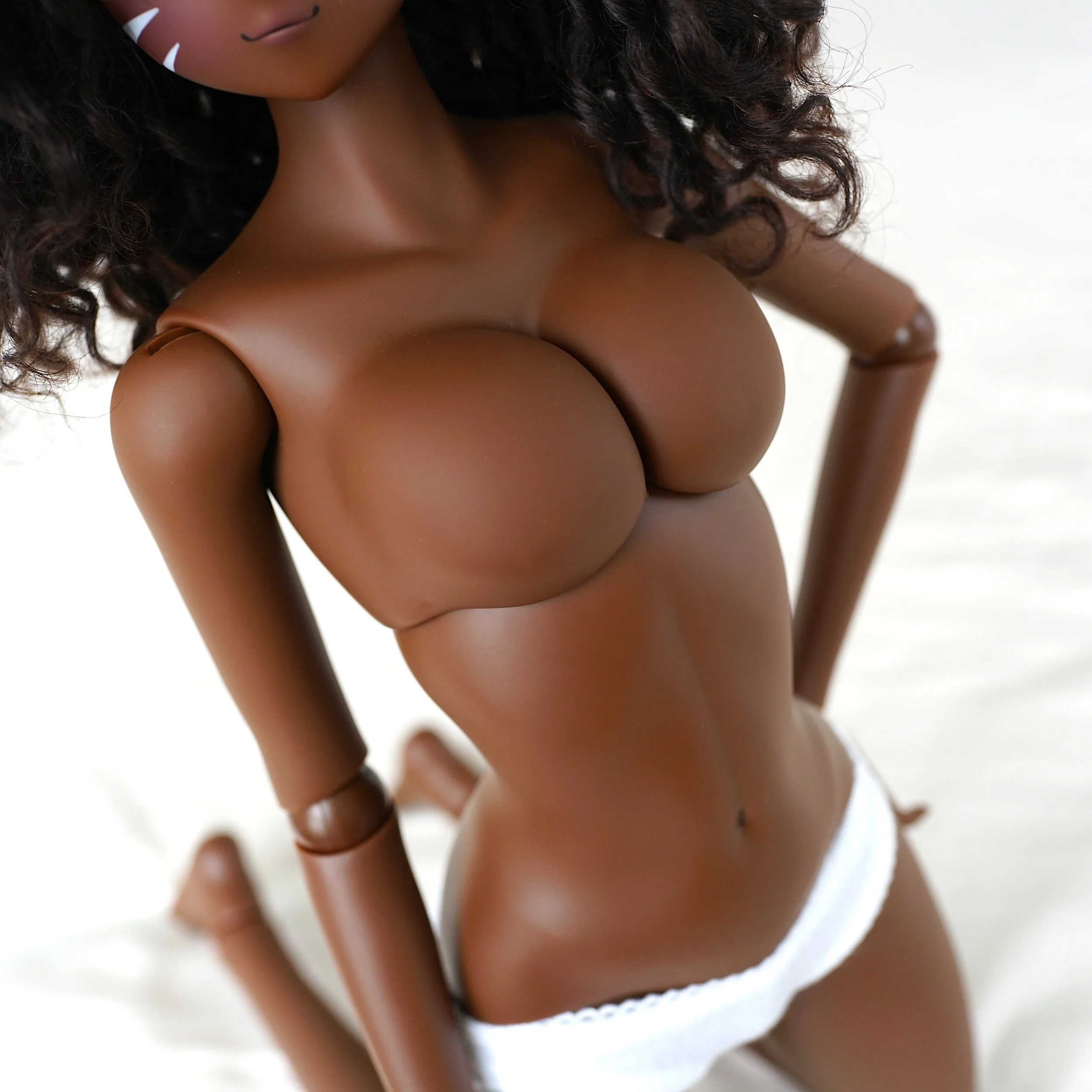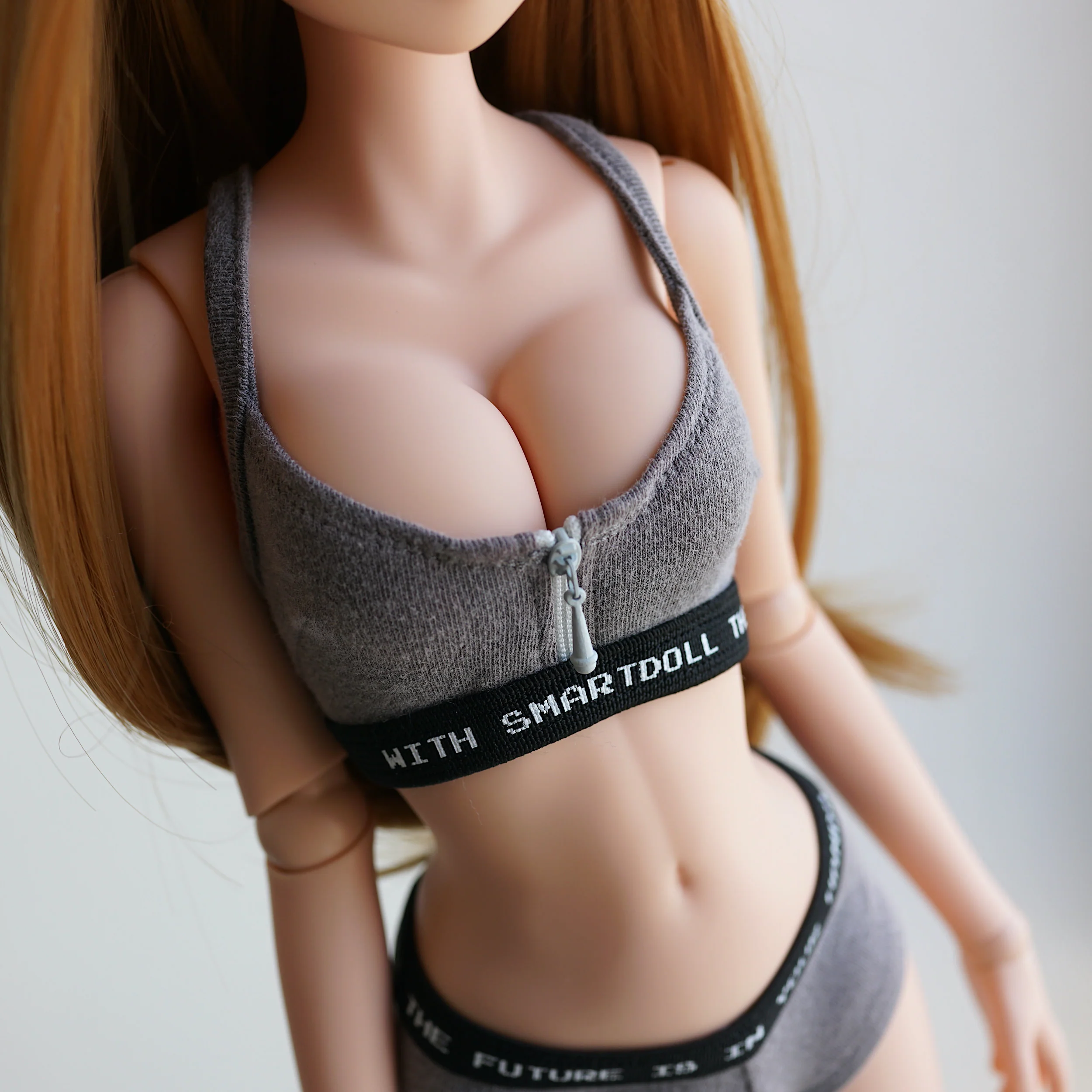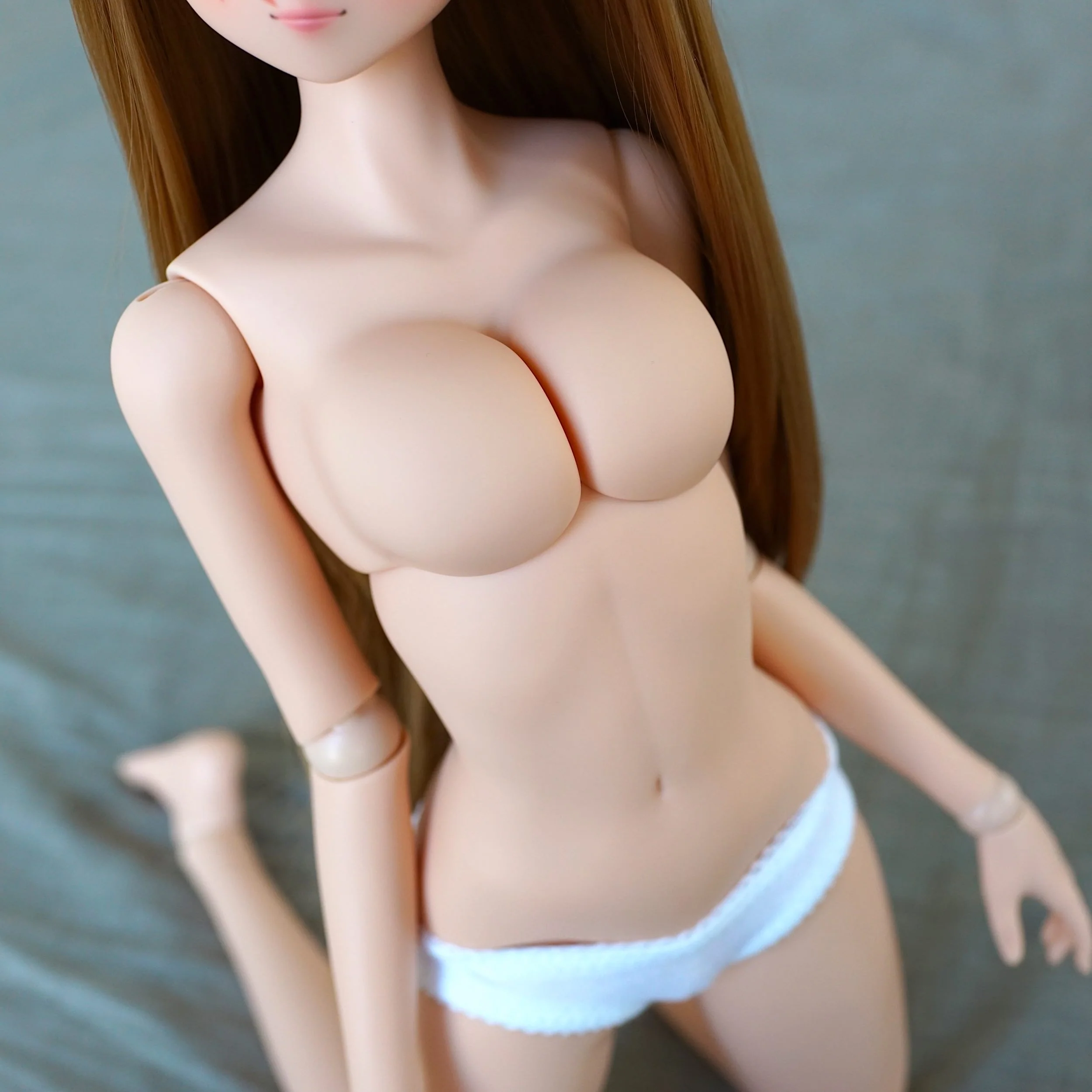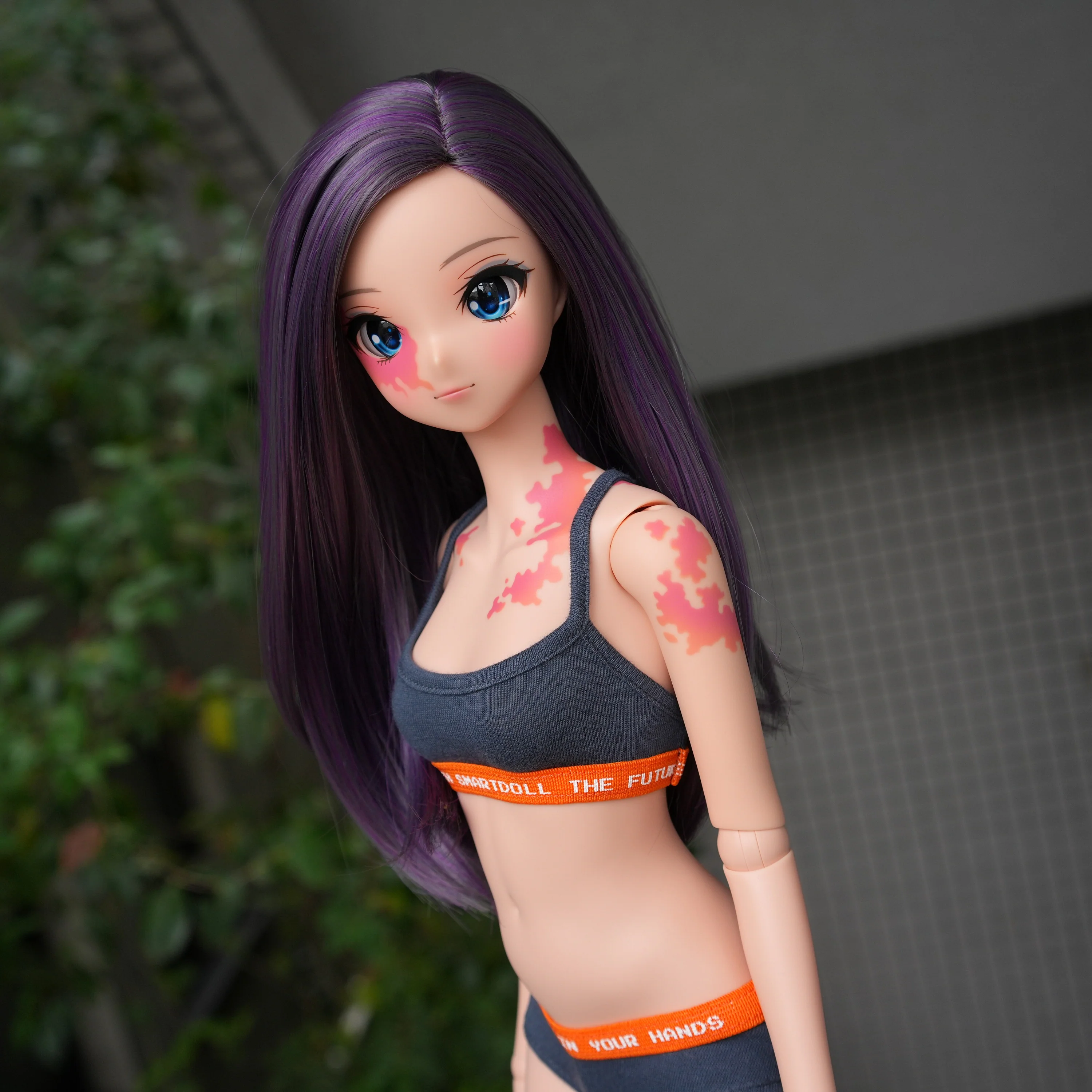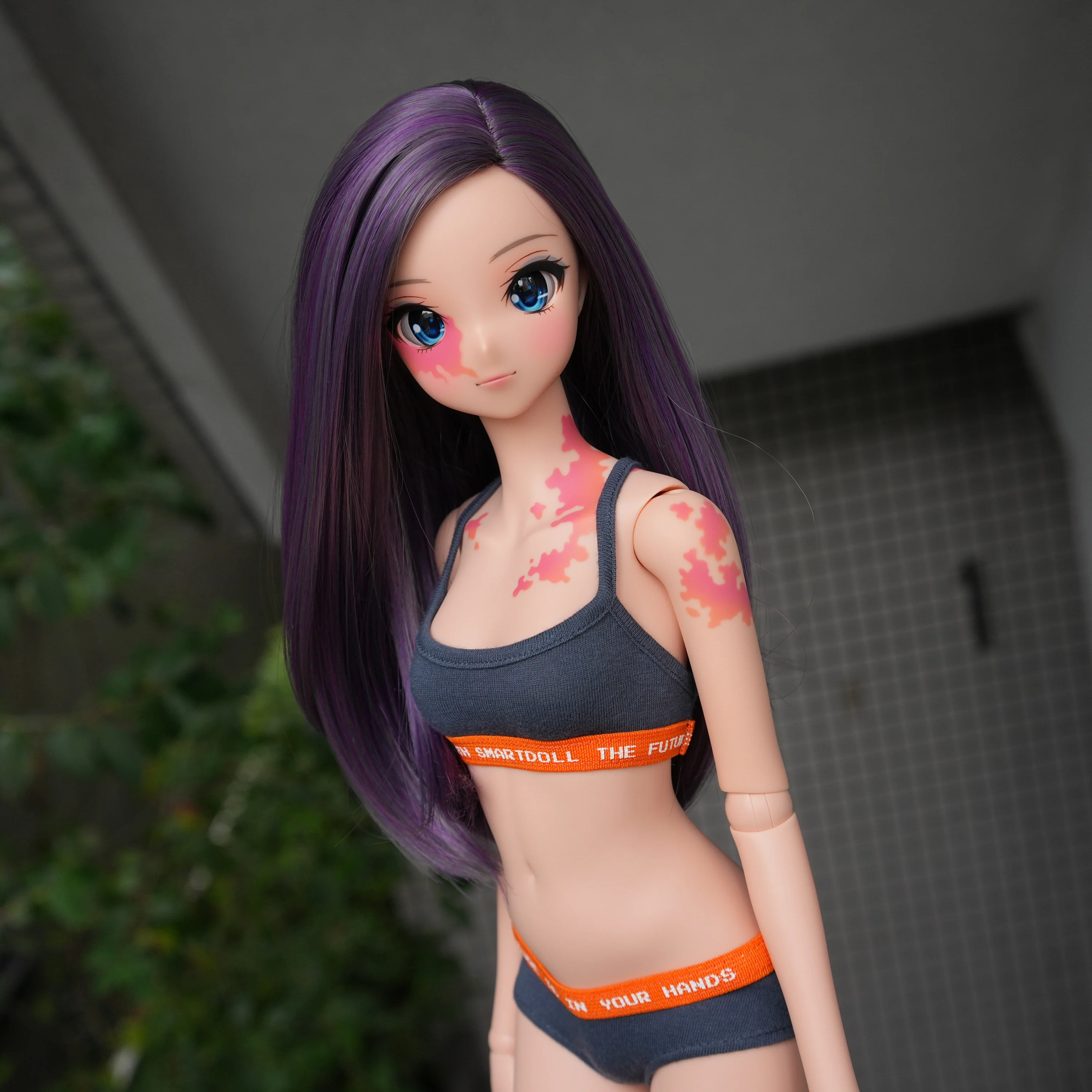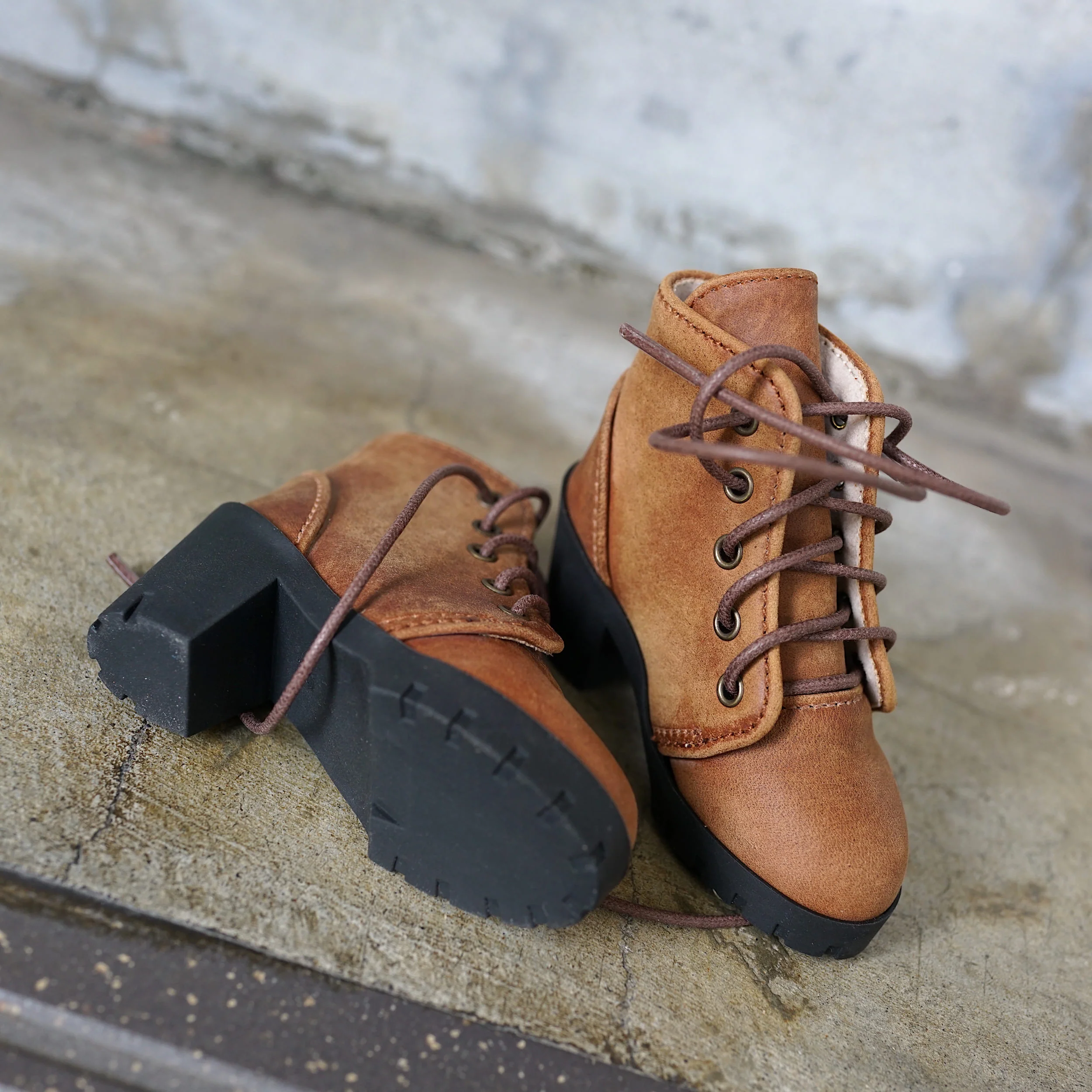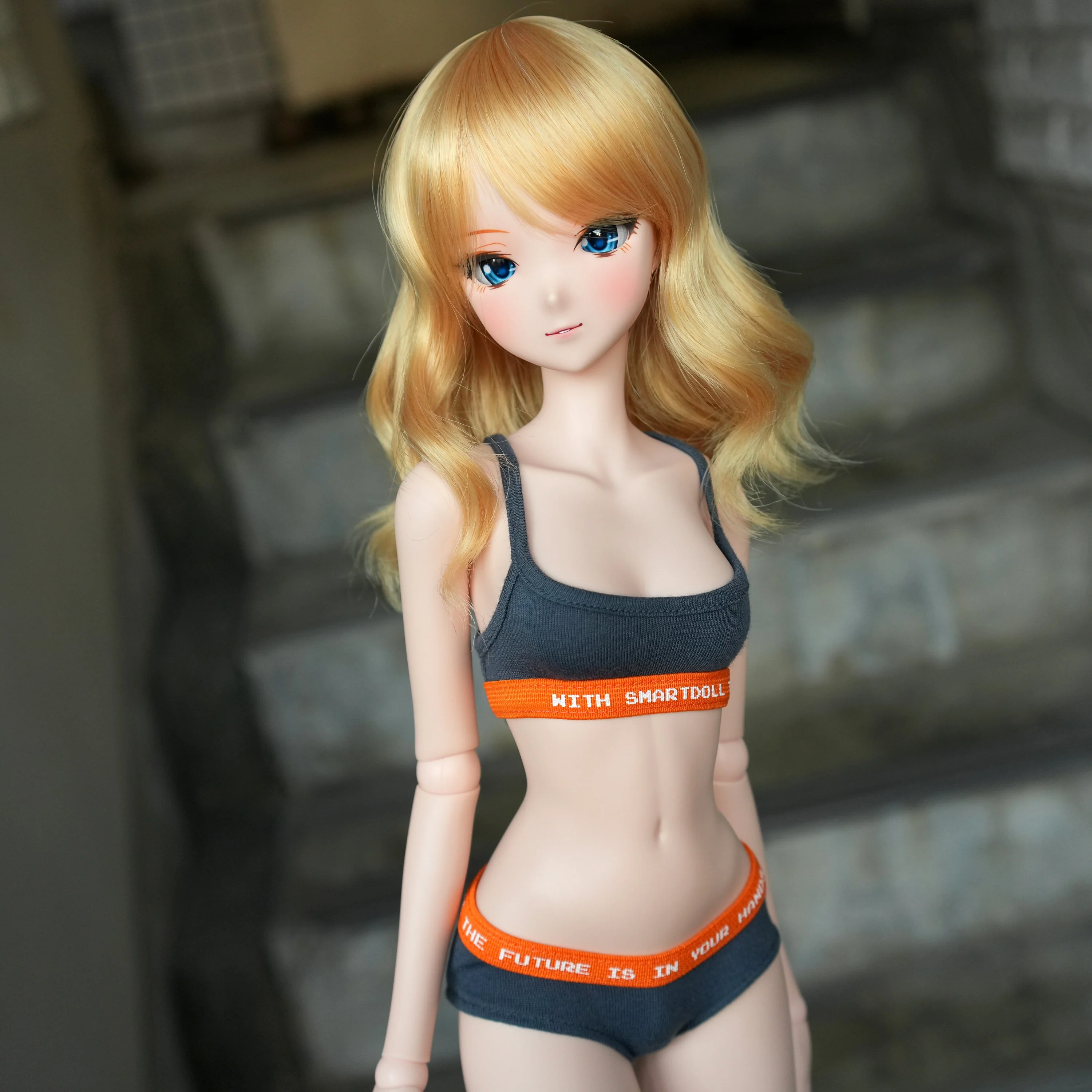
Smart Doll - Kizuna (Milk)
Kizuna was born into the prestigious Yumeno family, where success was expected long before she understood the word.
Days were filled with top-tier schooling, nights with tutors, fencing practice, and the kind of schedule designed to manufacture excellence.
Her sisters embraced it, content to unwind by scrolling through social media feeds filled with admiration, envy, and people who wanted to befriend them for all the wrong reasons.
But Kizuna’s curiosity grew in a different direction. While her sisters scrolled, she read.
Anthropology became her refuge – a window into how humans adapt, evolve, and shape themselves according to the environments they inhabit.
The more she studied, the more she realised something unsettling.
An environment that provides everything can quietly take away the need to grow.
Comfort, she discovered, can be the most deceptive danger of all.
She tried to warn her sisters, but they dismissed her concerns with the same ease they refreshed their timelines.
So Kizuna made a decision that shocked her family: she would leave the mansion, the wealth, the path that had been paved for her since birth.
Even her father, who rarely raised his voice, couldn’t understand why anyone would leave privilege for uncertainty.
But Kizuna knew that evolution only happens when you step into the unknown.
She moved into a run-down apartment where the walls were damp and three resident cockroaches lived rent-free.
She named them Peter, Piper, and Pepper.
At night she waited tables until midnight.
By day she devoured books and scraped through her anthropology studies.
The work was exhausting, the pay was tiny, but for the first time in her life she felt herself growing.
When her degree was complete, she sold whatever didn’t fit into her single suitcase and moved overseas.
She took the hardest path every time: difficult jobs, unfamiliar cities, and opportunities that forced her to adapt faster than she thought possible.
Failures didn’t discourage her; they became the building blocks of who she was becoming.
To keep herself fed she returned to waitressing in the evenings, but her days were spent guiding visitors through a museum known for its archaeological discoveries.
Here, Kizuna felt the spark she had been searching for.
The figurative art of ancient civilizations fascinated her.
Every sculpture of the human form told a story – of culture, migration, hope, survival.
She began to realise that human figurative art wasn’t just decoration.
It was a record of how humanity evolved.
Ten years later, Kizuna stood on a stage delivering a speech at the opening ceremony of a new museum.
Her museum.
The Museum of Human Figurative Art became her life’s work – a place that uses sculptures of the human form to teach how society has changed from cave dwellers to city dwellers, and how art remains the most human way of recording who we are.
After the ceremony she met her father for the first time in twelve years.
The reunion was quiet, reflective.
He watched her speech in silence, pride softening the edges of every regret.
When she handed him a doll from the museum gift shop, he turned it over curiously.
A modern representation of the human form, she explained.
A reminder that evolution doesn’t stop unless we let it.
The world knows it by another name.
Smart Doll.
And Kizuna – the girl who left comfort behind to evolve – continues to remind us why the journey matters more than the safety of the starting point.
Original: $264.77
-70%$264.77
$79.43Product Information
Product Information
Shipping & Returns
Shipping & Returns
Description
Kizuna was born into the prestigious Yumeno family, where success was expected long before she understood the word.
Days were filled with top-tier schooling, nights with tutors, fencing practice, and the kind of schedule designed to manufacture excellence.
Her sisters embraced it, content to unwind by scrolling through social media feeds filled with admiration, envy, and people who wanted to befriend them for all the wrong reasons.
But Kizuna’s curiosity grew in a different direction. While her sisters scrolled, she read.
Anthropology became her refuge – a window into how humans adapt, evolve, and shape themselves according to the environments they inhabit.
The more she studied, the more she realised something unsettling.
An environment that provides everything can quietly take away the need to grow.
Comfort, she discovered, can be the most deceptive danger of all.
She tried to warn her sisters, but they dismissed her concerns with the same ease they refreshed their timelines.
So Kizuna made a decision that shocked her family: she would leave the mansion, the wealth, the path that had been paved for her since birth.
Even her father, who rarely raised his voice, couldn’t understand why anyone would leave privilege for uncertainty.
But Kizuna knew that evolution only happens when you step into the unknown.
She moved into a run-down apartment where the walls were damp and three resident cockroaches lived rent-free.
She named them Peter, Piper, and Pepper.
At night she waited tables until midnight.
By day she devoured books and scraped through her anthropology studies.
The work was exhausting, the pay was tiny, but for the first time in her life she felt herself growing.
When her degree was complete, she sold whatever didn’t fit into her single suitcase and moved overseas.
She took the hardest path every time: difficult jobs, unfamiliar cities, and opportunities that forced her to adapt faster than she thought possible.
Failures didn’t discourage her; they became the building blocks of who she was becoming.
To keep herself fed she returned to waitressing in the evenings, but her days were spent guiding visitors through a museum known for its archaeological discoveries.
Here, Kizuna felt the spark she had been searching for.
The figurative art of ancient civilizations fascinated her.
Every sculpture of the human form told a story – of culture, migration, hope, survival.
She began to realise that human figurative art wasn’t just decoration.
It was a record of how humanity evolved.
Ten years later, Kizuna stood on a stage delivering a speech at the opening ceremony of a new museum.
Her museum.
The Museum of Human Figurative Art became her life’s work – a place that uses sculptures of the human form to teach how society has changed from cave dwellers to city dwellers, and how art remains the most human way of recording who we are.
After the ceremony she met her father for the first time in twelve years.
The reunion was quiet, reflective.
He watched her speech in silence, pride softening the edges of every regret.
When she handed him a doll from the museum gift shop, he turned it over curiously.
A modern representation of the human form, she explained.
A reminder that evolution doesn’t stop unless we let it.
The world knows it by another name.
Smart Doll.
And Kizuna – the girl who left comfort behind to evolve – continues to remind us why the journey matters more than the safety of the starting point.